CNC machining is an important part of modern manufacturing. Students can learn CNC concepts from books and classrooms, but practical training helps them understand how CNC machines actually work. Therefore, practical CNC training is essential for students who want to build a career in CNC machining.
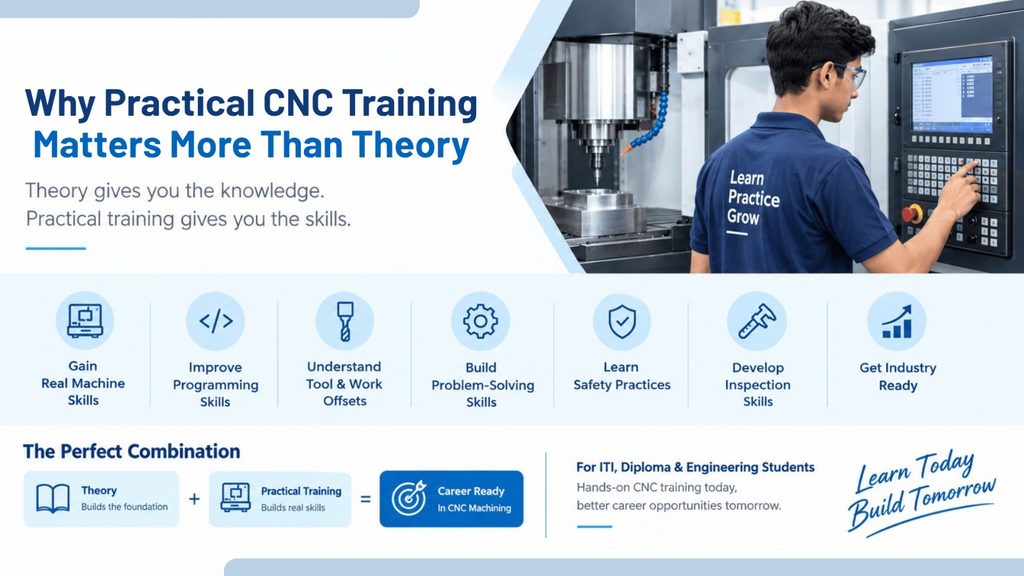
Theory provides the foundation, while hands-on training develops the skills needed to work with real machines. When students combine both, they can understand machining processes better and become more confident in an industrial environment.
What Is Practical CNC Training?
Practical CNC training involves learning directly through CNC machines, simulators, tools, workpieces, and real machining activities.
Students can practice tasks such as:
- CNC machine setup
- Tool setting
- Workpiece loading
- Work offset setting
- Tool offset setting
- CNC programming
- Machine operation
- Component inspection
- Basic troubleshooting
As a result, students can connect classroom concepts with actual manufacturing processes.
Why Is CNC Theory Important?
Theory is still an important part of CNC training. It helps students understand the principles behind machining.
For example, students need theoretical knowledge of:
- CNC machine components
- G-codes and M-codes
- Cutting tools
- Spindle speed
- Feed rate
- Depth of cut
- Engineering drawings
- Work coordinates
- Tool offsets
- Machine safety
However, knowing these concepts alone does not always prepare a student to operate a CNC machine confidently.
Why Practical CNC Training Matters
1. Builds Real Machine Skills
Practical training allows students to work directly with CNC machines. They learn how to load tools, set workpieces, check offsets, and operate machine controls.
Therefore, students gain skills that cannot be developed fully through classroom theory alone.
2. Improves CNC Programming Skills
Students can practice CNC programs on simulators and machines. They can observe how G-codes and M-codes control machine movements.
Moreover, practical testing helps students understand how programming decisions affect the machining process.
3. Helps Students Understand Tool Offsets
Tool offsets are easier to understand when students actually set tools on a CNC machine.
They can see how incorrect tool length or diameter values affect machining accuracy. As a result, practical training makes offset concepts easier to remember.
4. Develops Problem-Solving Skills
Machining does not always go exactly as planned. Students may encounter tool wear, incorrect dimensions, vibration, poor surface finish, or machine alarms.
Practical training teaches students how to identify problems and follow safe procedures to solve them.
5. Improves Machine Setup Knowledge
Machine setup is an important CNC skill. Students need to understand how to secure the workpiece, install tools, set offsets, and prepare the machine.
With hands-on practice, these tasks become more familiar and systematic.
6. Teaches Quality Inspection
Producing a component is only one part of CNC machining. The finished component must also meet the required dimensions and specifications.
Practical training allows students to use measuring instruments such as:
- Vernier calipers
- Micrometers
- Height gauges
- Dial indicators
- Bore gauges
Therefore, students learn how machining accuracy is checked in real production.
7. Improves Safety Awareness
CNC machines contain moving parts, rotating tools, and high-speed cutting equipment. Practical training teaches students how to work safely around these machines.
Students learn to check tool positions, workholding, machine doors, offsets, and programs before machining.
Safety awareness is essential for anyone entering the manufacturing industry.
Practical CNC Training vs Theory
| Theory-Based Learning | Practical CNC Training |
| Explains CNC concepts | Demonstrates CNC concepts |
| Teaches programming codes | Applies programs to machines |
| Explains cutting parameters | Shows their effect during machining |
| Teaches tool types | Provides hands-on tool selection |
| Explains machine components | Builds machine operation skills |
| Teaches safety rules | Develops safe working habits |
| Builds technical knowledge | Builds practical confidence |
Both methods are important. However, practical training helps students apply the knowledge they learn in theory.
Skills Students Can Develop Through Practical CNC Training
A good practical CNC training program can help students develop several industry-relevant skills.
CNC Machine Operation
Students learn how to operate CNC machines and understand basic machine controls.
CNC Programming
Students practice writing, checking, and running basic CNC programs.
Tool Setting
Students learn how to select, install, and set cutting tools correctly.
Work Offset Setting
Students understand how to establish the work coordinate system for machining.
Engineering Drawing Reading
Students learn to connect drawing dimensions with actual component features.
Quality Inspection
Students practice measuring components and comparing the results with drawing requirements.
Basic Troubleshooting
Students learn how to identify common machining problems and follow appropriate corrective procedures.
Practical Training for ITI and Diploma Students
ITI and Diploma Mechanical students can benefit greatly from hands-on CNC training. Their academic education provides basic engineering knowledge, while practical training helps them apply that knowledge.
For example, a student may understand feed rate from a textbook. However, operating a CNC machine helps the student understand how feed rate affects cutting performance and surface finish.
Similarly, learning tool offsets in theory is different from setting an actual tool and verifying its position.
Therefore, practical CNC training can help bridge the gap between education and industrial work.
How Practical CNC Training Improves Job Opportunities
Manufacturing companies often need employees who can perform practical tasks safely and efficiently.
Candidates with hands-on CNC experience can demonstrate knowledge of:
- CNC machine operation
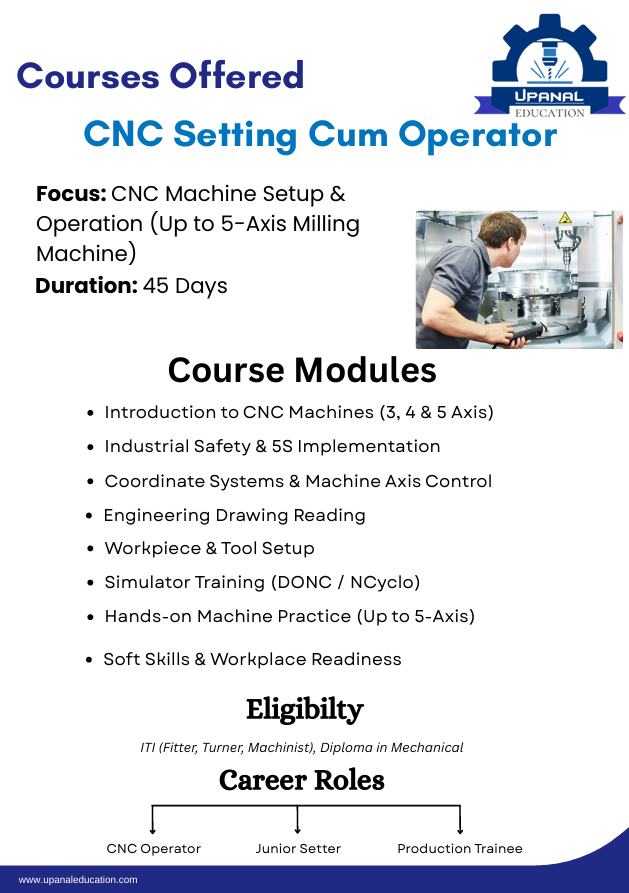
- Machine setup
- CNC programming
- Tool selection
- Work offsets
- Quality inspection
- Manufacturing processes
Moreover, practical experience gives candidates useful examples to discuss during job interviews.
What Should a Good CNC Training Program Include?
Students should look for training that combines theory with practical learning.
A good CNC training program may include:
- CNC machine fundamentals
- CNC programming
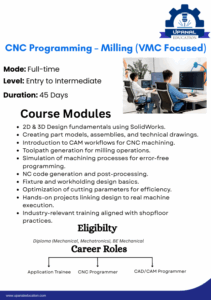
- VMC programming
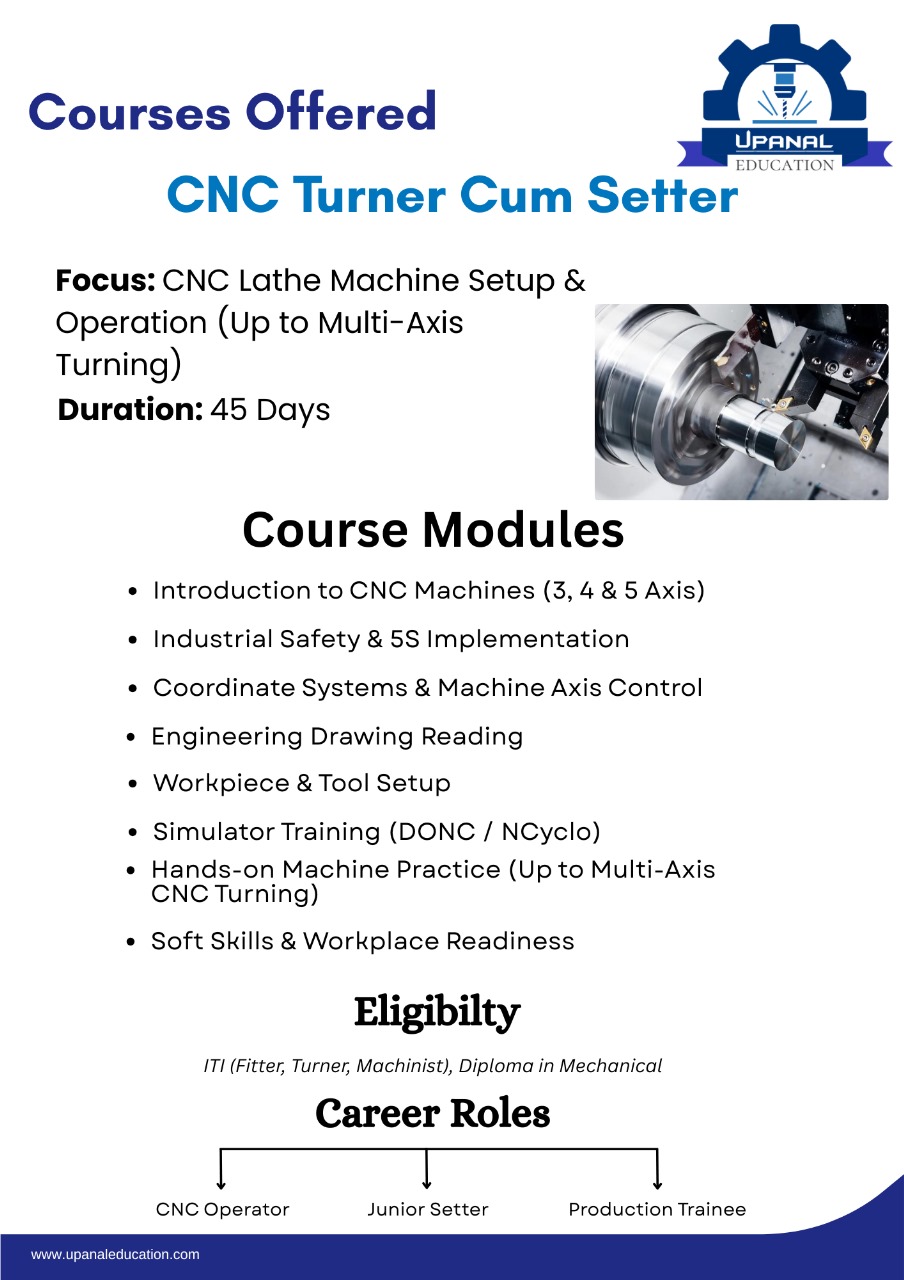
- CNC turning
- Tool setting
- Work offsets
- Tool offsets
- Engineering drawing
- Cutting tools
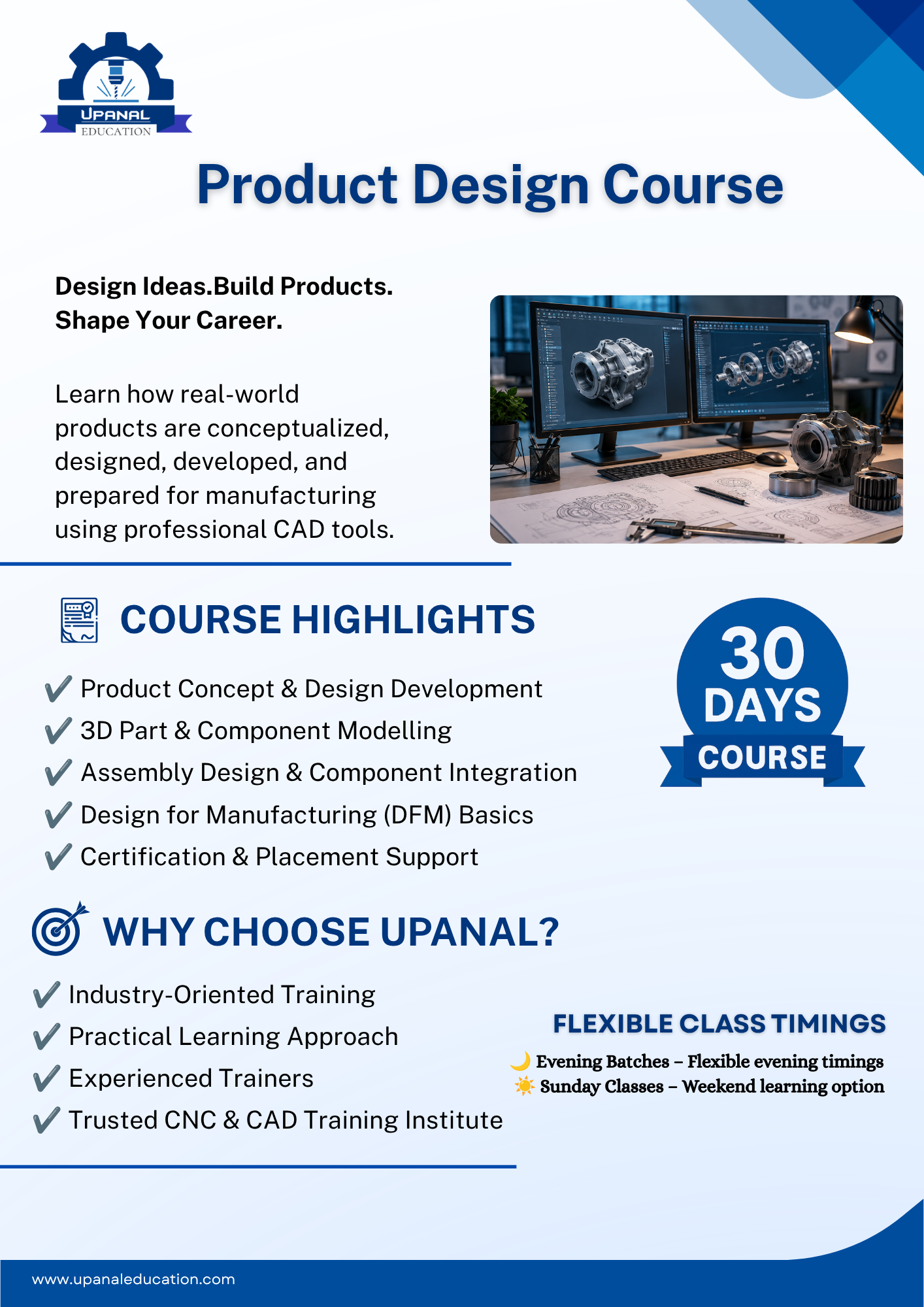
- CAD and CAM
- Machining practice
- Component inspection
- CNC safety
Most importantly, students should get enough time to practice rather than only watching demonstrations.
Role of CNC Simulators and Real Machines
CNC simulators are useful for learning programming without the risk of damaging a machine. Students can practice tool movements, coordinates, and program sequences in a controlled environment.
However, real machines provide additional learning opportunities. Students can experience actual tool changes, workholding, cutting conditions, machine sounds, vibration, and component inspection.
Therefore, the best training approach combines CNC simulators with hands-on machine practice.
How to Get the Most From Practical CNC Training
Students can improve their learning by following a few simple steps.
Practice Regularly
Regular practice helps students remember CNC commands and machine procedures.
Ask Questions
Understanding why a machining operation is performed is more useful than simply memorizing steps.
Work on Different Components
Practicing different components exposes students to different machining operations and challenges.
Learn From Mistakes
When a machining problem occurs, understand its cause and learn how to prevent it in the future.
Follow Safety Procedures
Always follow machine and training-center safety instructions during practical sessions.
Conclusion
Theory gives students the knowledge needed to understand CNC machining, but practical training helps them apply that knowledge. Hands-on experience develops machine operation, programming, tool setting, inspection, troubleshooting, and safety skills.
Therefore, students should not choose between theory and practical learning. The best CNC training combines strong theoretical knowledge with extensive hands-on practice.
For ITI, Diploma, and Mechanical Engineering students, practical CNC training can provide a stronger foundation for careers in CNC operation, programming, CAM, and manufacturing.